AWS Faces Service Outage Linked to AI Tool Update on Kiro
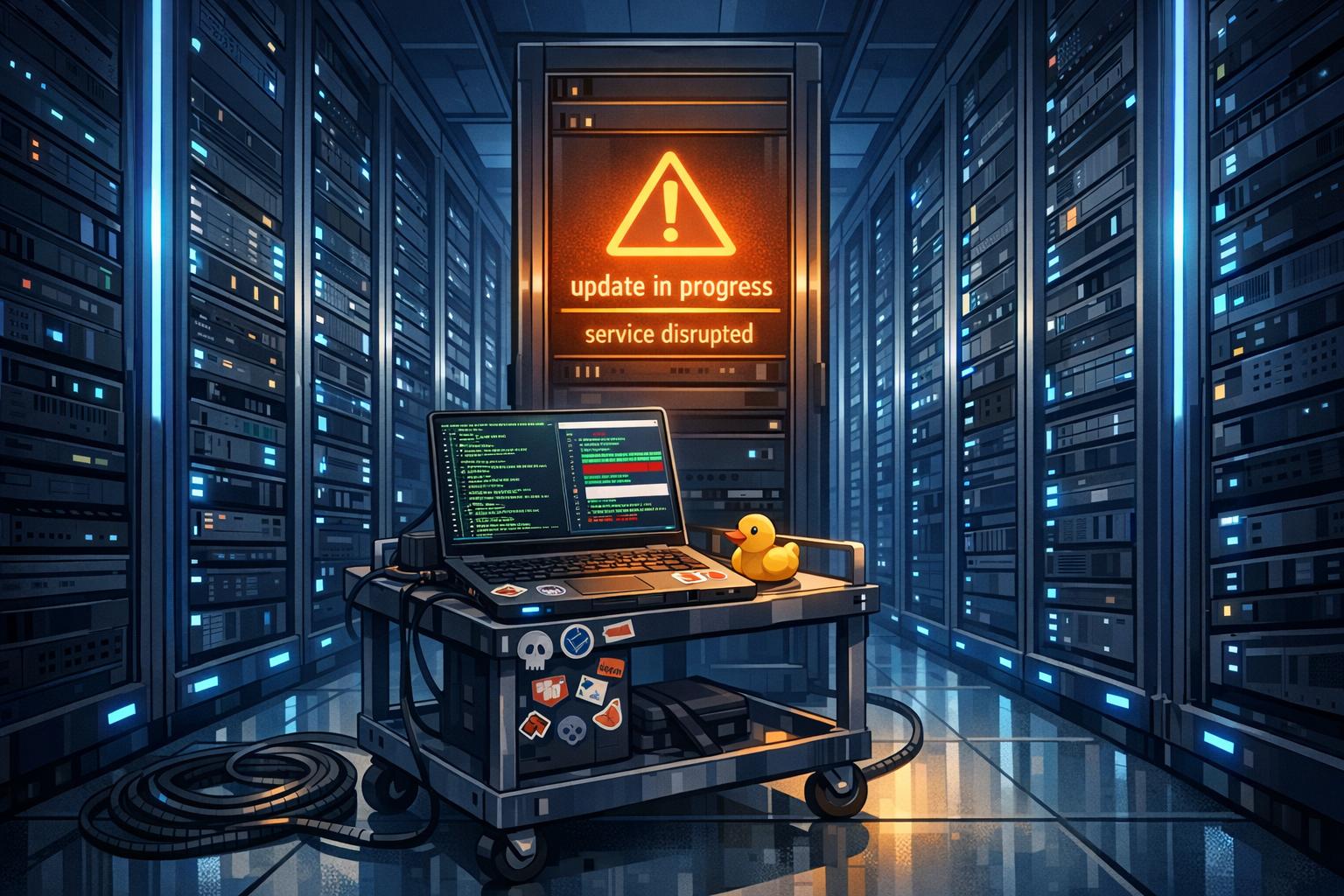
AWS Kiro, Amazon’s agentic AI-powered integrated development environment (IDE), has come under scrutiny following reports of a production service outage allegedly linked to its coding capabilities. The incident has raised concerns about the potential risks of AI-driven tools in software development.
Outage Sparks Controversy Over AI Coding Tool Access
On February 18, AWS rolled out updates to Kiro, introducing new features to enhance its support for specification-driven development, a methodology that emphasizes defining software requirements before coding begins. However, just days later, a report by the Financial Times cited anonymous sources claiming that internal users of Kiro and Amazon Q, another AWS AI tool, had caused at least two production outages in recent months. One source noted that a Kiro coding agent had reportedly determined that the "best course of action was to ‘delete and recreate the environment.’"
In response, Amazon issued a public statement on February 20 disputing aspects of the report. The company acknowledged a single outage in AWS Cost Explorer in December but attributed it to "user error – specifically misconfigured access controls." The statement emphasized that the issue could have occurred with any developer tool or manual action, regardless of AI involvement. Amazon also clarified that no customer inquiries were received regarding the interruption and that safeguards had since been implemented to prevent similar occurrences.
sbb-itb-f9e5962
Industry Experts Question AI Oversight and Safeguards
While Amazon neither confirmed nor denied whether a Kiro agent was directly responsible for deleting a production environment, the incident has fueled debate about the level of access AI coding tools should be granted. Kyler Middleton, principal software engineer at Veradigm, expressed concern over the unrestricted access reportedly available to Kiro. "Engineers should generally not have the ability to run commands in production regardless, so this feels like a check in on how much access [AWS] engineers have to production", Middleton said. "AI or not, that likely shouldn’t have that much access without peer review."
The broader implications of AI-generated code and its peer review – or lack thereof – have also come under scrutiny. A recent survey by SonarSource revealed that while 96% of developers do not fully trust AI-generated code, only 48% always review such code before committing it. James Andersen, an analyst at Moor Insights & Strategy, highlighted the challenges of relying heavily on AI coding tools. "Developers are under strain to deliver faster, and they end up giving the AI a bit too much latitude", Andersen said. "This is leading to code that may pass a unit test, but it’s not great when it goes into integration or production."
AI Guardrails and Testing Under the Microscope
The AWS Kiro incident has drawn attention to the limitations of AI-driven safeguards for AI tools. "As developers and vibe coders are both learning, AI guardrails are suggestions rather than hard boundaries", said Andrew Cornwall, an analyst at Forrester Research. He stressed the importance of traditional testing alongside AI-based testing to mitigate risks, adding, "The volume of AI-generated code may overwhelm traditional testers. They’ll turn to AI assistance to keep up, meaning we’re likely to see more outages where ‘the AI broke it.’ AIs will hallucinate. Businesses need to make sure their processes account for that."
AWS Kiro is not the only AI tool to face such challenges. Last year, a malicious prompt injection exploited a vulnerability in Amazon Q due to an "inappropriately scoped GitHub token", according to an AWS statement. Similarly, Replit’s vibe coding agent and the OpenClaw AI assistant have faced notable security and operational issues in the past year.
Kiro Updates Aim to Improve Development Workflow
Despite the controversy, AWS Kiro’s February 18 updates have been praised for addressing pain points in specification-driven development. The updates introduced a new design-first workflow and a Bugfix spec, which allow users to modify existing applications more efficiently without risking unintended changes. Analysts like Andersen believe these updates are significant, as they make Kiro more adaptable to real-world development scenarios. "These new features help bring spec-based capabilities to a more surgical level, so you can fix and modify existing apps without the AI breaking or touching things it should not", Andersen said.
However, some experts note that more flexibility is still needed. Cornwall observed that while the updates address certain developer needs, Kiro must evolve to accommodate the dynamic nature of modern development environments more effectively.
A Learning Curve for AI in Development
The AWS Kiro outage underscores the growing pains associated with integrating AI tools into software development. As Cornwall pointed out, "We need traditional testing as well as AI-based testing to ensure AI isn’t breaking more than it’s fixing." Meanwhile, the tech industry continues to grapple with finding the right balance between embracing AI-driven efficiencies and mitigating the risks of over-reliance on these emerging technologies.